
Table of Contents
Welcome to another edition of Weekly Tech Discoveries, where I dive into the tools that are reshaping the technology landscape.
This week's lineup is a little broader than usual. Alongside developer tooling, I'm looking at solutions that solve real problems for HR professionals and remote teams too. They are four very different tools, but as you'll see, they have more in common than it first appears.
Weekly Tech Discoveries · This is Part 03. Previous: Part 02 · Start from the beginning with Part 01.
This week at a glance
| Tool | Category | Best for |
|---|---|---|
| Trae | AI-powered IDE | Developers who want an AI coding partner |
| Qwen3-Coder | Open-weight agentic coding model | Developers who want a strong coding model they can run or host themselves |
| Frappe HRMS | Open-source HR management | Organizations that want enterprise HR without enterprise pricing |
| Neko | Self-hosted virtual browser | Secure, isolated and collaborative browsing |
01. Trae: the AI revolution in code development
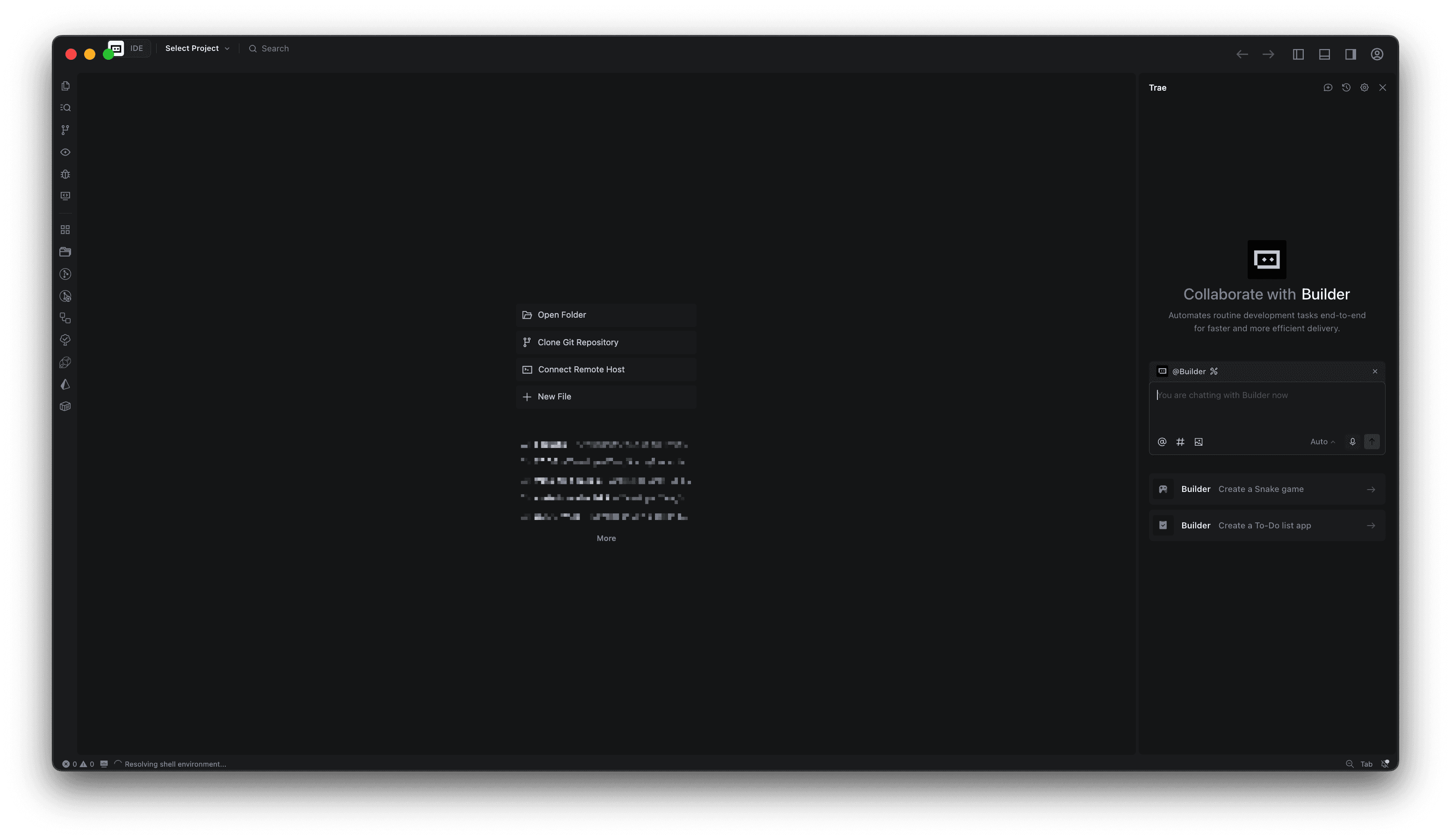
Trae isn't just another IDE. It's a glimpse into the future of software development: an intelligent development environment where AI becomes your coding partner rather than just a tool.
Context is the killer feature
What makes Trae extraordinary is its contextual understanding. Traditional IDEs offer basic autocomplete; Trae analyzes your entire project architecture to provide meaningful suggestions. It understands not just syntax but intent. It can:
- Suggest entire function implementations based on your comments
- Predict potential bugs before you run your tests
- Refactor code to follow best practices automatically
Built for teams
The real magic happens in collaborative scenarios. Trae can analyze pull requests, suggest improvements, and even explain complex sections of code to new team members.
For startups and enterprises alike, that translates into faster development cycles, less time spent debugging, and better code quality. Early adopters report up to a 40% reduction in routine coding tasks, freeing developers to focus on creative problem-solving instead of boilerplate.
 GIF via GIPHY
02. Qwen3-Coder: an open-weight model built for agentic coding
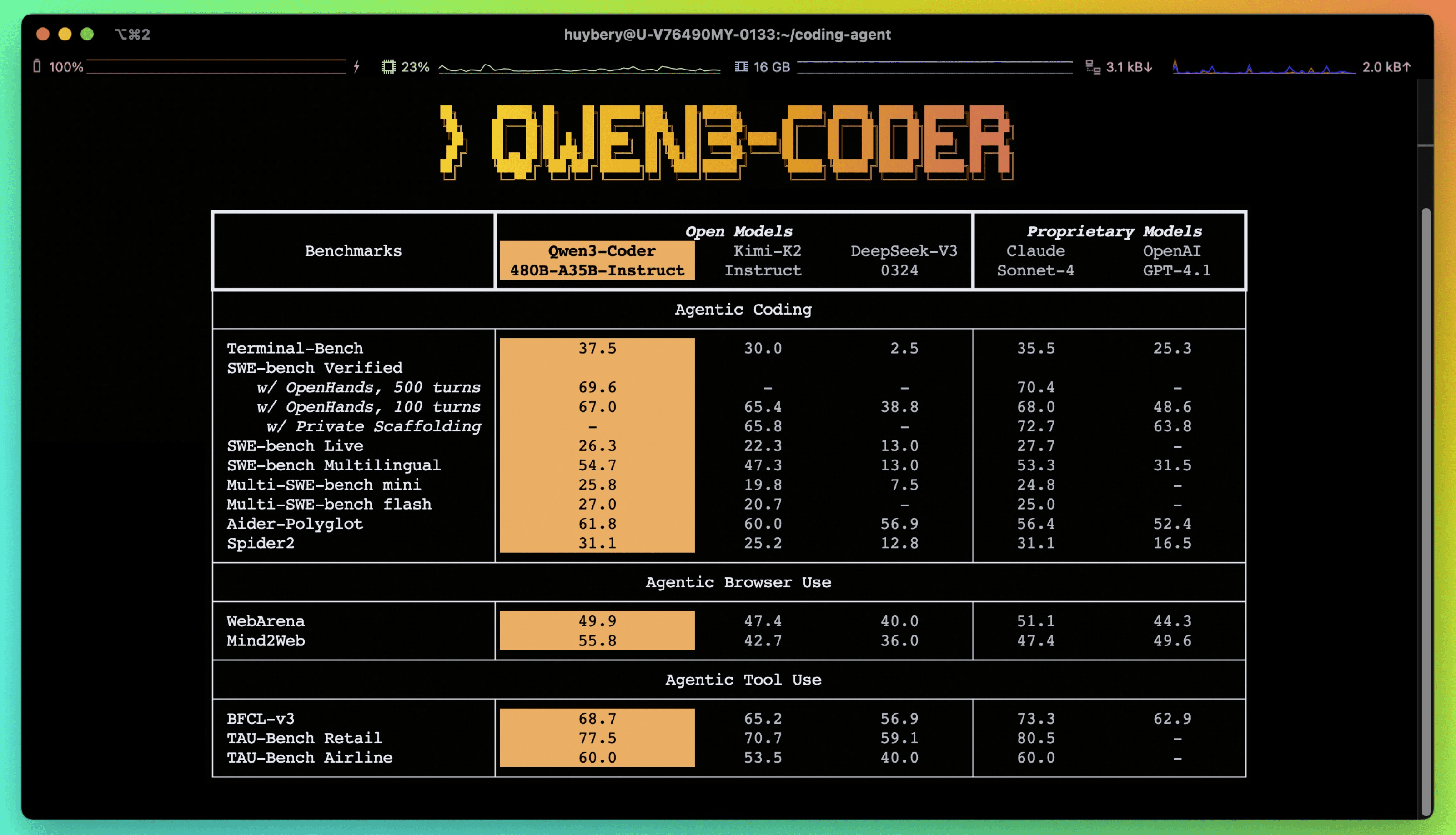
Qwen3-Coder is the Qwen team's (Alibaba) newest code model, and their most agentic one so far. It isn't just tuned to autocomplete snippets: it's trained to work like a coding agent, planning changes, calling tools and working through multi-step tasks across a whole repository.
The flagship release, Qwen3-Coder-480B-A35B-Instruct, is a mixture-of-experts model, so only a fraction of its parameters is active for each token. It natively supports a 256K-token context window, extendable towards 1M tokens, which is enough to reason about an entire codebase rather than a single file.
Why it matters:
- Open weights. You can download it from Hugging Face or ModelScope and host it yourself, instead of being locked into one vendor's API.
- Works with the tools you already use. It's designed to plug into agentic coding tools such as Qwen Code, Cline and Claude Code, with a function-calling format built for them.
- Repository-scale context. The long context window makes it practical for refactors and changes that touch many files at once.
03. Frappe HRMS: democratizing enterprise HR management
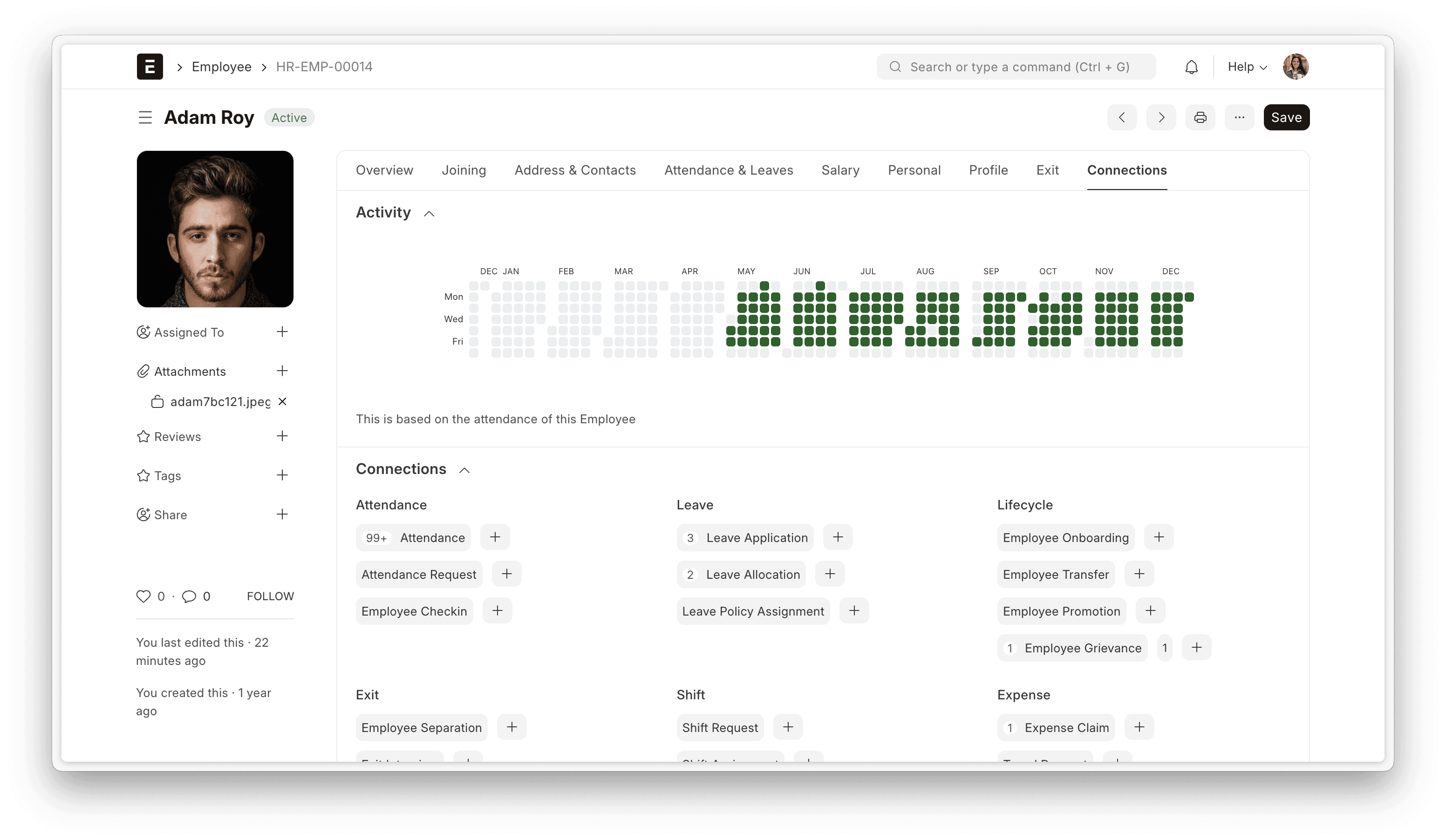
At github.com/frappe/hrms we find something truly special: an open-source HR management system that competes with six-figure enterprise solutions. This isn't just software. It's a movement towards accessible, customizable HR technology.
The full employee lifecycle
Frappe HRMS transforms how organizations handle their most valuable asset: people. Its employee lifecycle management covers everything from onboarding to exit interviews, with sophisticated workflows that adapt to different organizational structures.
Attendance tracking integrates with a variety of devices and methods, from traditional punch-clock systems to mobile apps and geolocation services.
A payroll engine that deserves a mention
The payroll engine deserves special recognition. It handles:
- Complex salary structures
- Statutory compliance across multiple jurisdictions
- Tax calculations, with remarkable accuracy
- Multiple currencies, which makes it ideal for international organizations
On top of that, the built-in reporting dashboard provides insights that would normally require expensive business intelligence tools.
Extensible by design
What really sets it apart is extensibility. Organizations can customize workflows, add fields, create custom reports and integrate with existing systems without touching core code. The active community regularly contributes plugins and extensions, so the platform keeps evolving with changing HR needs.
04. Neko: redefining remote browser access
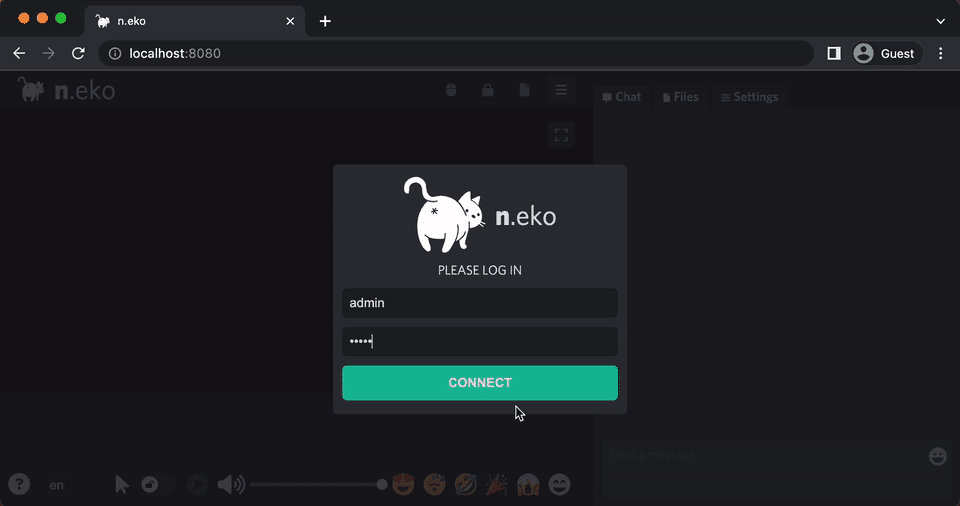
Neko represents a breakthrough in secure, collaborative browsing. It's a Docker-based virtual browser that uses WebRTC to deliver desktop-quality performance through any web browser.
Where it shines
The implications are profound:
- Security teams can provide isolated browsing environments for handling suspicious links or sensitive research.
- Educational institutions can make sure every student gets an identical browser configuration, whatever their personal device.
- Support teams can reproduce customer issues exactly by sharing the same browser environment.
 GIF via GIPHY
Simple architecture, powerful results
Neko's architecture is elegantly simple. Each browser instance runs in its own Docker container, completely isolated from the host system and from other instances. WebRTC provides sub-second latency, so the experience feels native rather than remote. Multiple users can join at once, which enables collaborative sessions where team members interact with the same web page simultaneously.
For enterprises, this removes the headache of browser compatibility testing. Instead of maintaining several browser installations across development machines, teams can spin up identical environments on demand. Because it's all Docker, scaling is as simple as adding more containers, and the whole system can be managed with standard container orchestration tools.
Getting started is a single Compose file. Here's a trimmed version of the example in the Neko repository:
services:
  neko:
    image: 'ghcr.io/m1k1o/neko/firefox:latest'
    restart: 'unless-stopped'
    shm_size: '2gb'
    ports:
      - '8080:8080'
      - '52000-52100:52000-52100/udp'
    environment:
      NEKO_WEBRTC_EPR: 52000-52100
      NEKO_DESKTOP_SCREEN: 1920x1080@30
      NEKO_MEMBER_MULTIUSER_USER_PASSWORD: neko
      NEKO_MEMBER_MULTIUSER_ADMIN_PASSWORD: admin
      NEKO_WEBRTC_NAT1TO1: <your-IP>
Change the default passwords before exposing it to anyone else.
Wrapping up
These four tools represent different sides of a larger trend: the democratization of sophisticated technology. Not long ago, only large enterprises could afford AI-assisted development tools, comprehensive HR systems or secure remote access. Today, open-source projects and innovative architectures put those capabilities within reach of organizations of every size.
The convergence of containerization, real-time web technologies and artificial intelligence is creating opportunities that didn't exist even a few years ago:
- Developers can build applications that were previously impossible.
- HR professionals can use enterprise-grade tools without enterprise budgets.
- Remote teams can collaborate with greater efficiency and security.
What excites me most is how well these tools complement each other. A developer using Trae to build an application might deploy it with container technology similar to Neko's, while the organization uses Frappe HRMS to manage the team. That ecosystem approach creates real synergies and amplifies the value of each tool.
Going forward, I expect to see more innovations like these: tools that don't just solve problems but eliminate entire categories of technical challenges. The future of technology isn't about making complex things possible. It's about making the previously impossible simple, accessible and affordable.
Weekly Tech Discoveries · Catch up on Part 02 and Part 01. More discoveries are on the way.
Originally published on dev.to.
